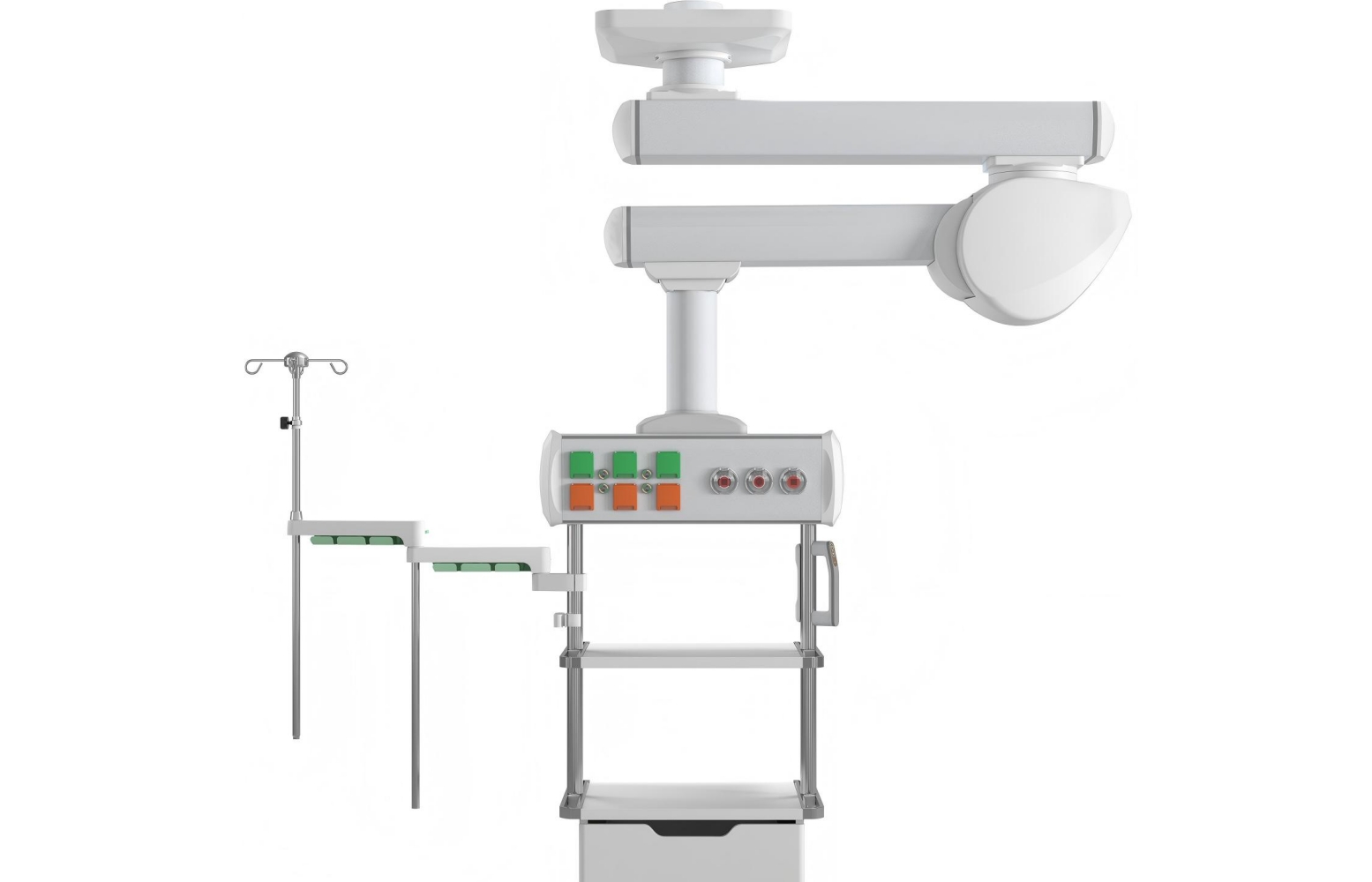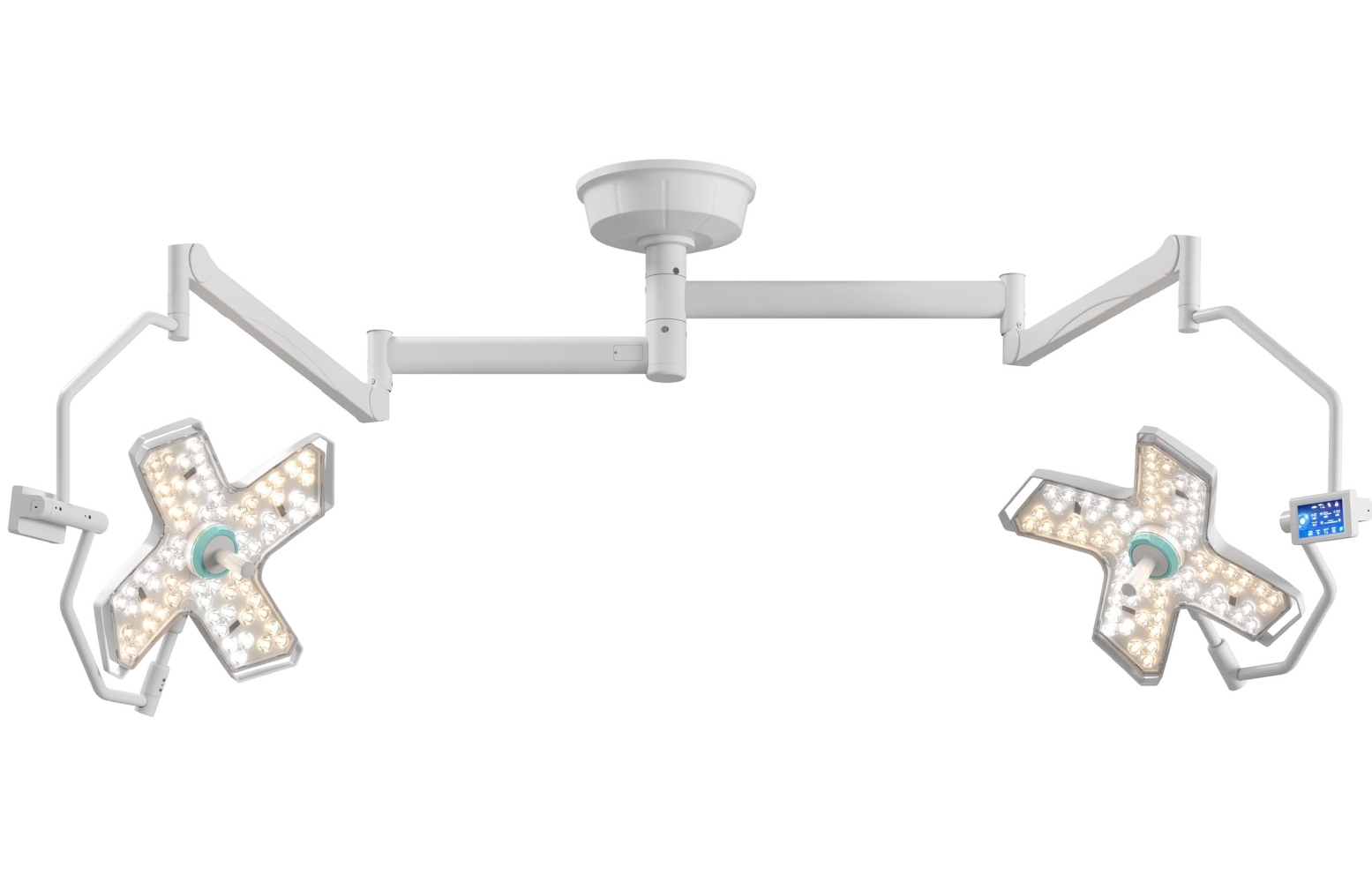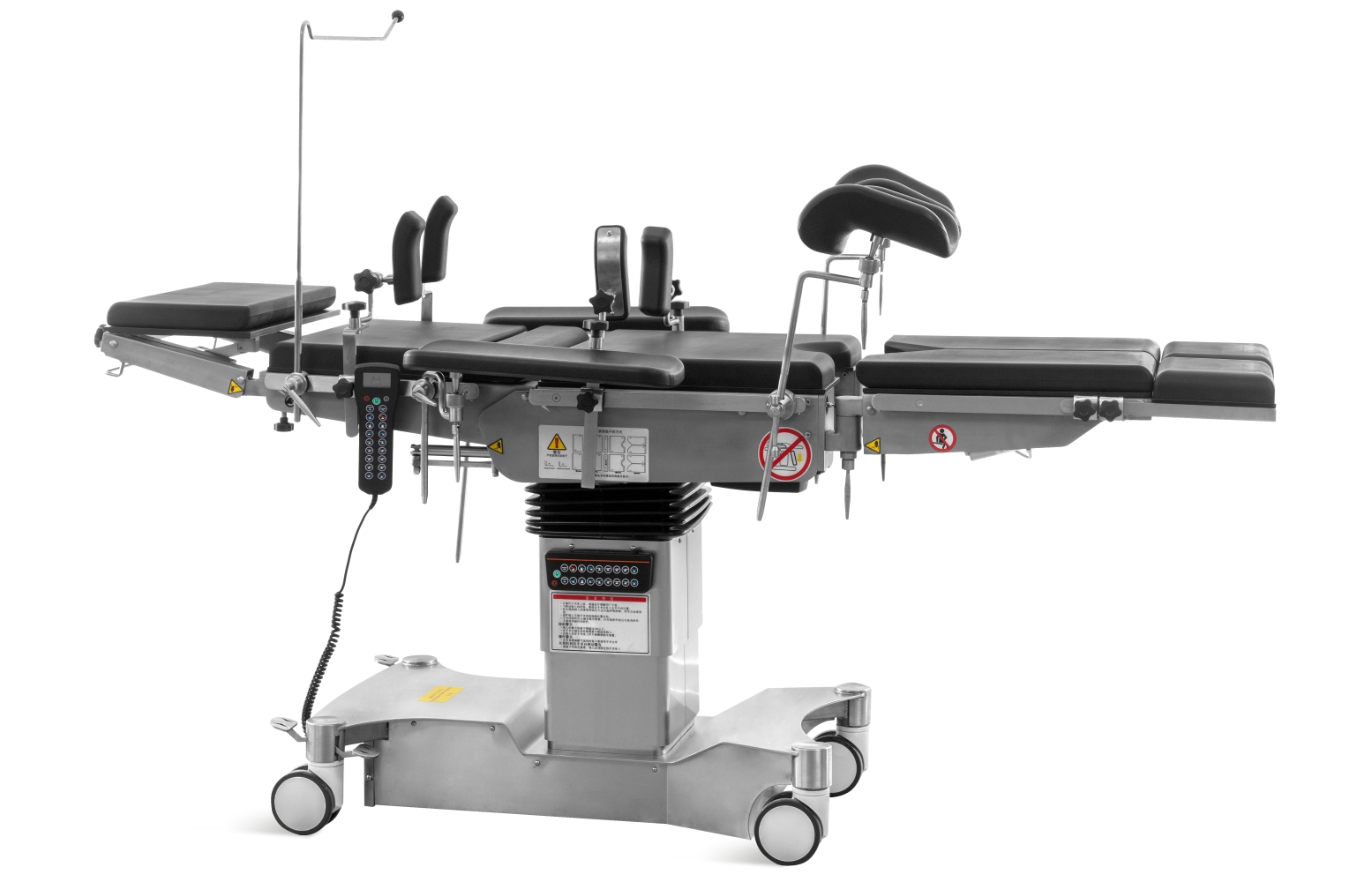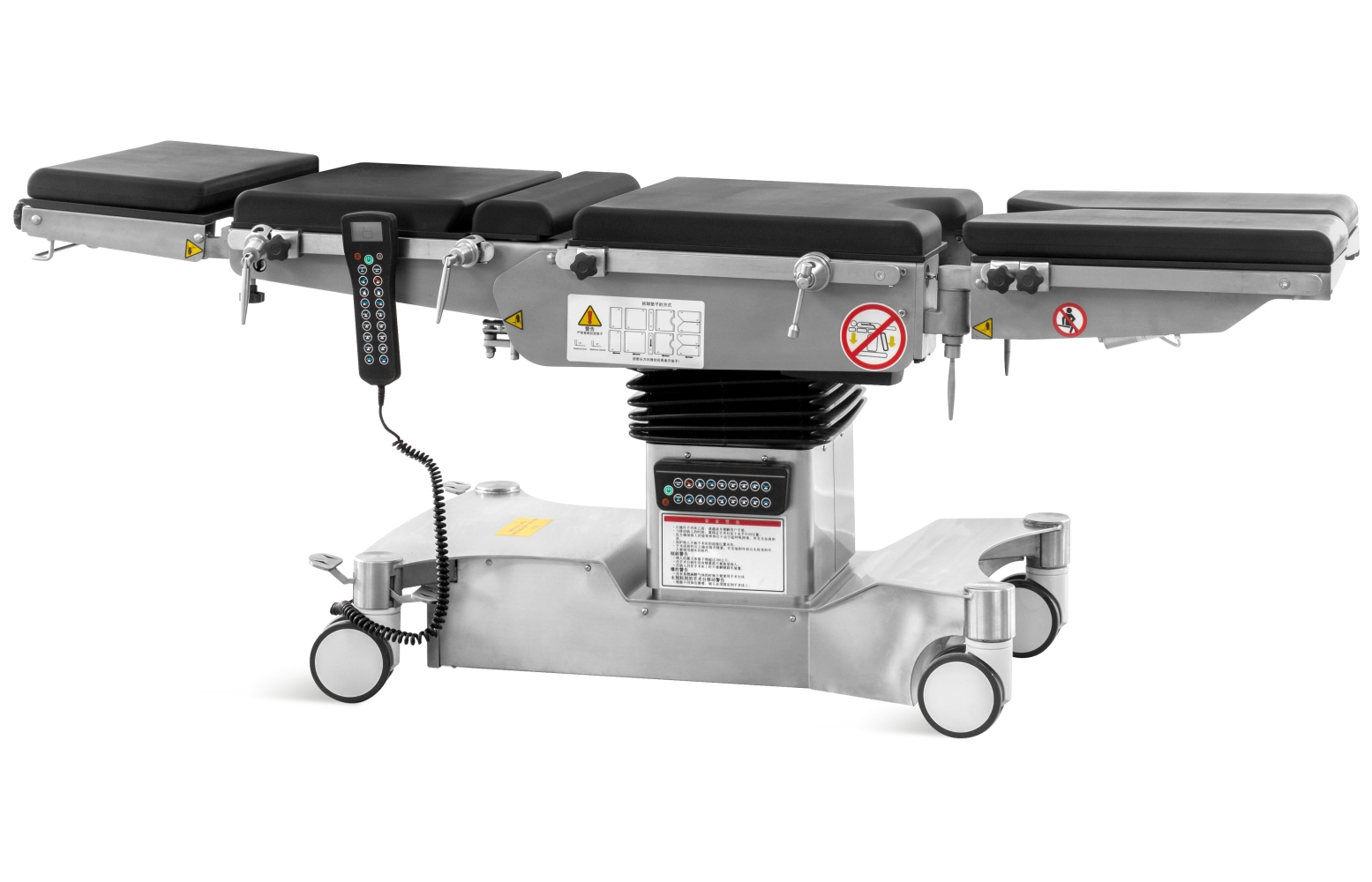
Explore Toruscare hospital equipment for intensive care, patient rooms, pediatric care, emergency transport, examination, surgery and long-term care. Choose a category to compare products designed for different clinical workflows.
ICU smart beds, electric hospital beds and manual models for critical care, general wards and inpatient environments.
Adjustable care beds for rehabilitation, long-term care and supportive home-care environments.
Pediatric beds developed around patient safety, caregiver access and everyday children's clinical care.
Patient transport solutions for emergency departments, ward transfer and movement between hospital care areas.
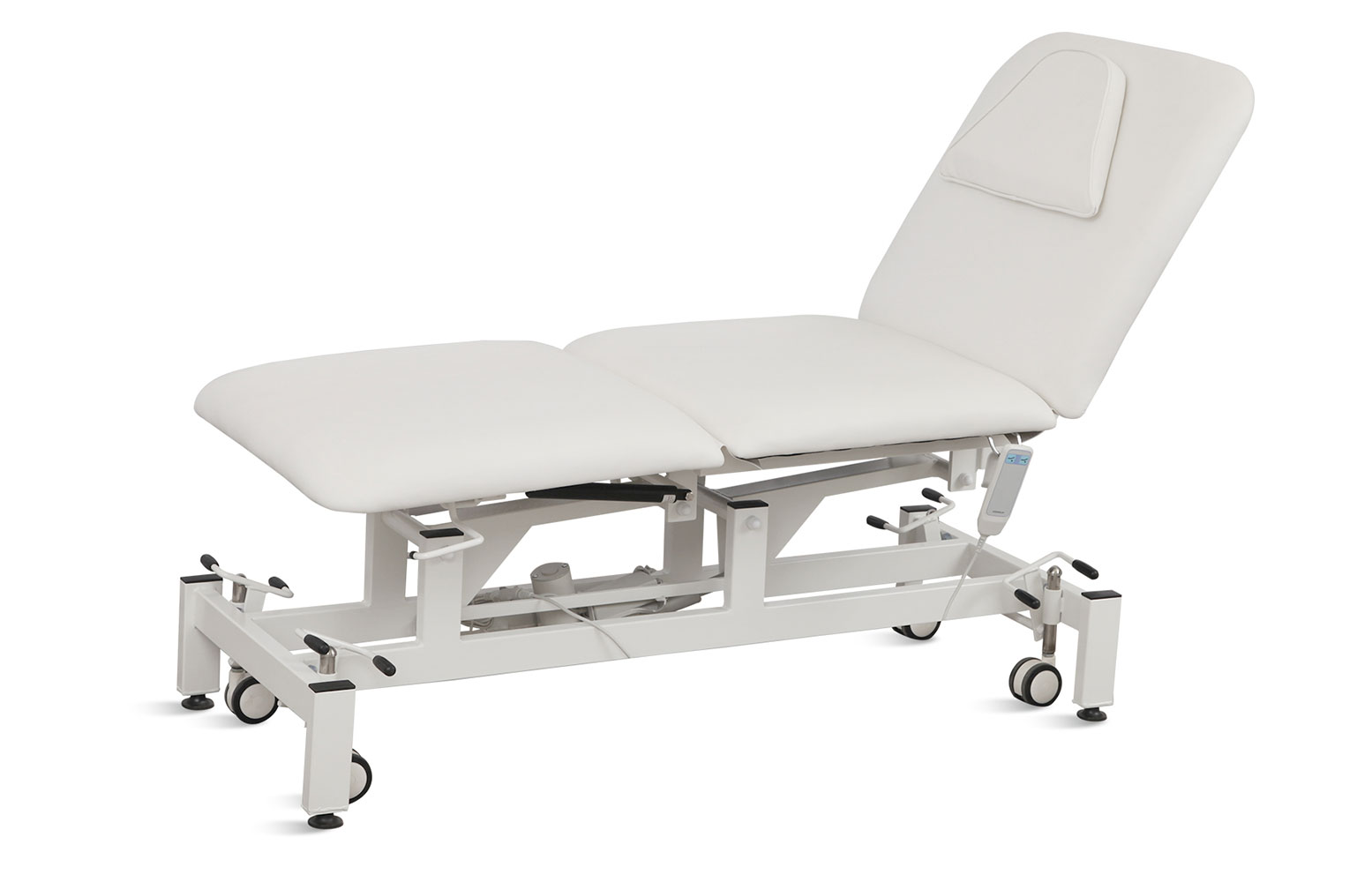
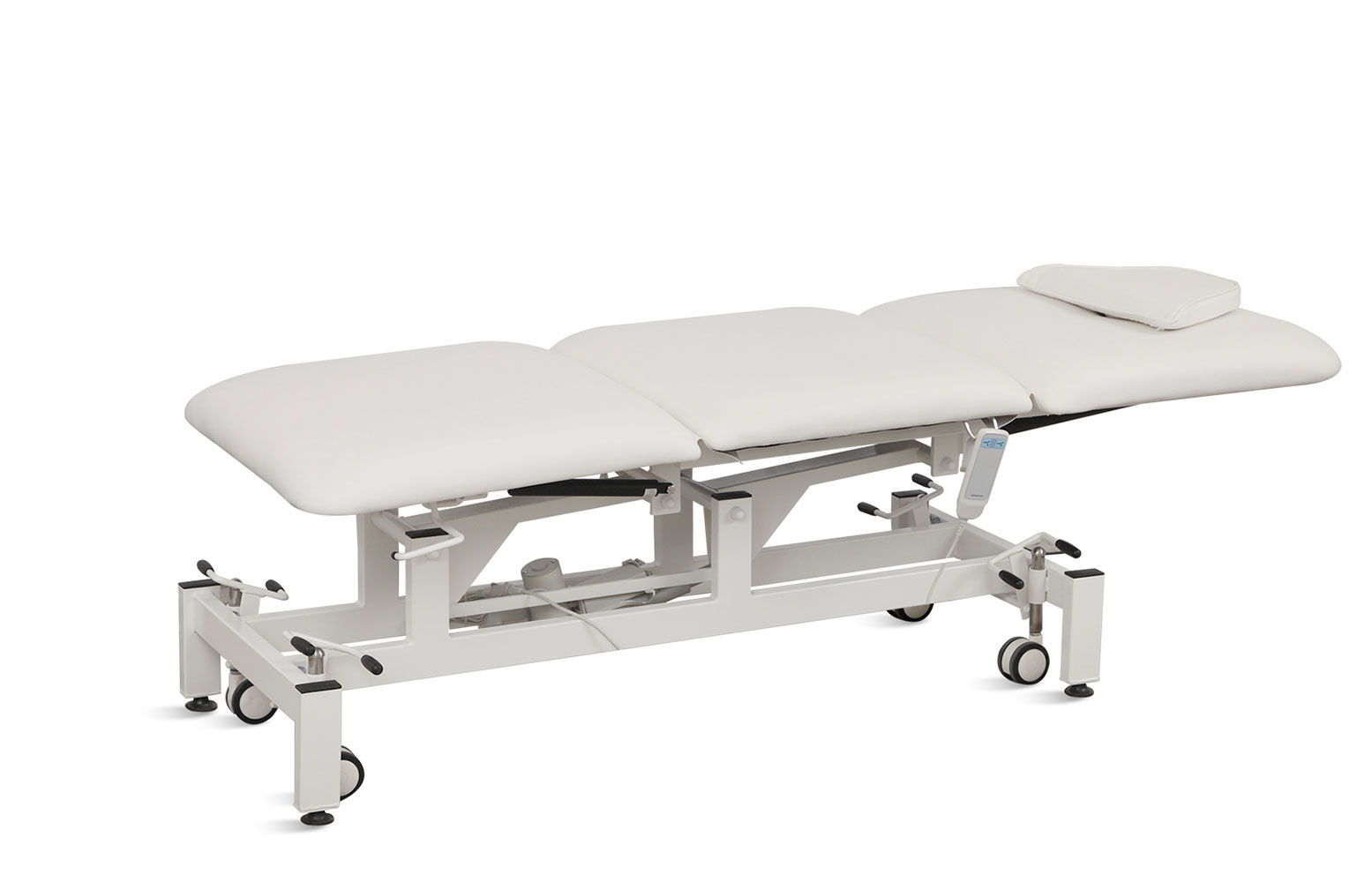
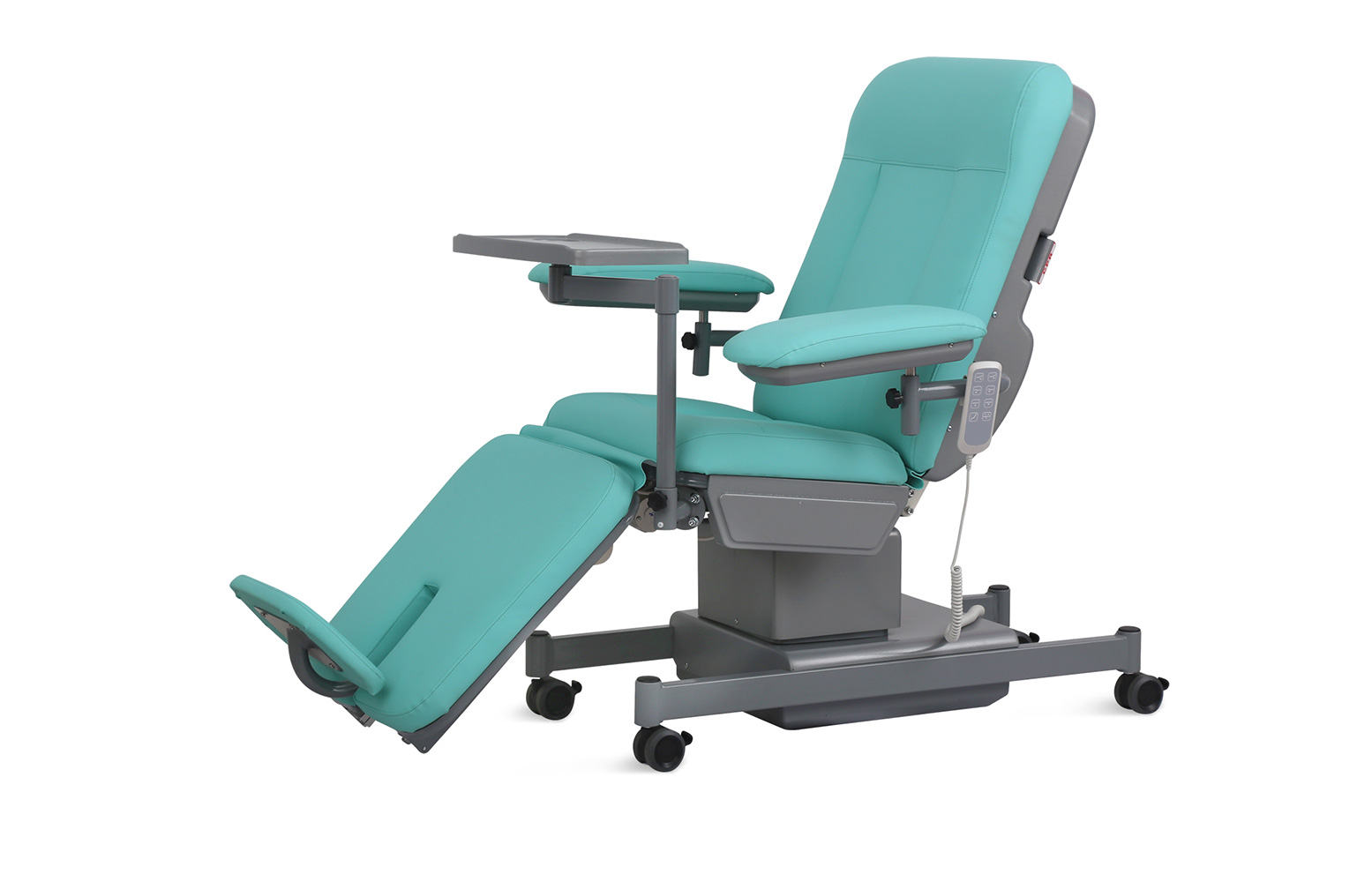
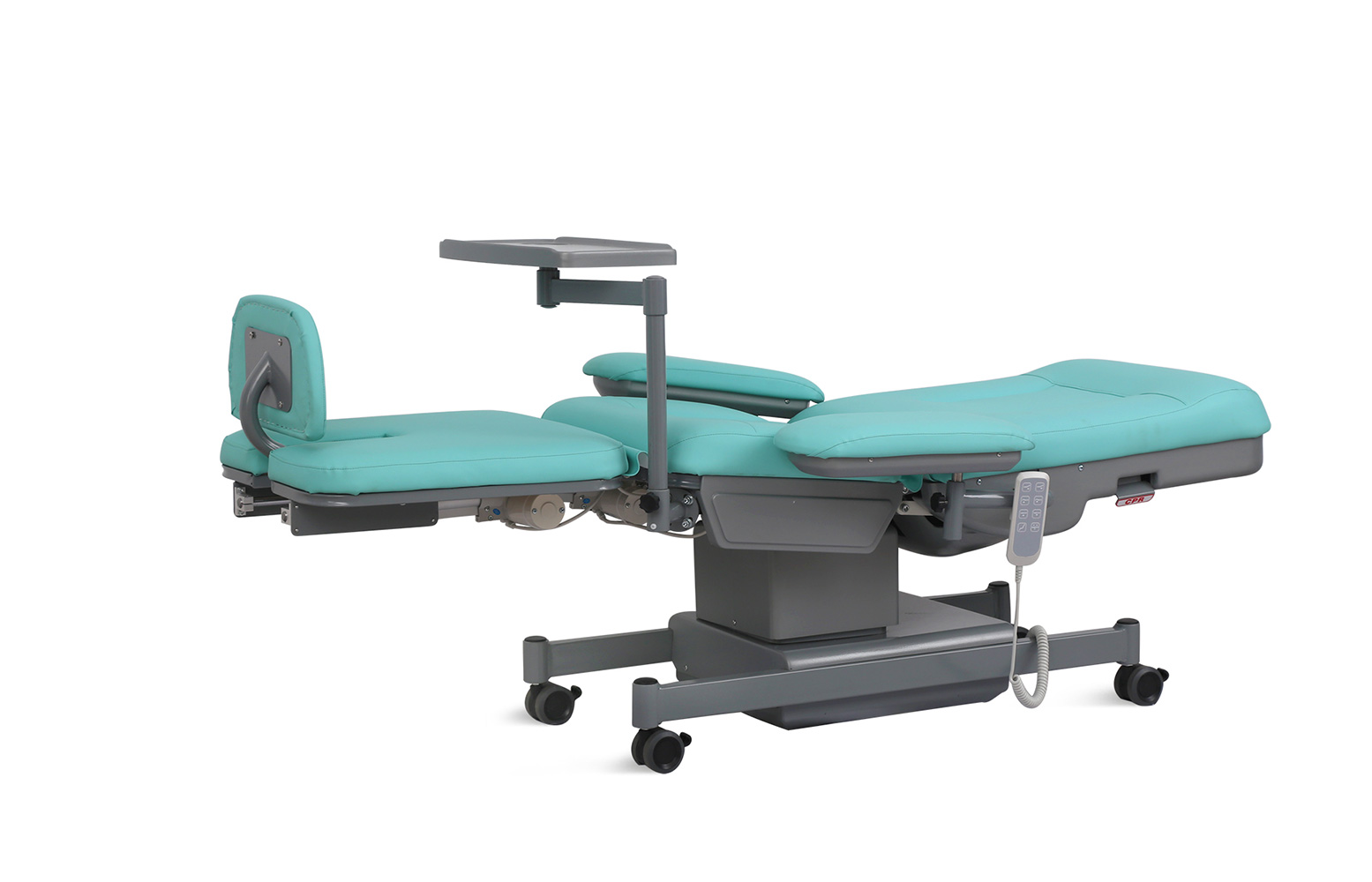
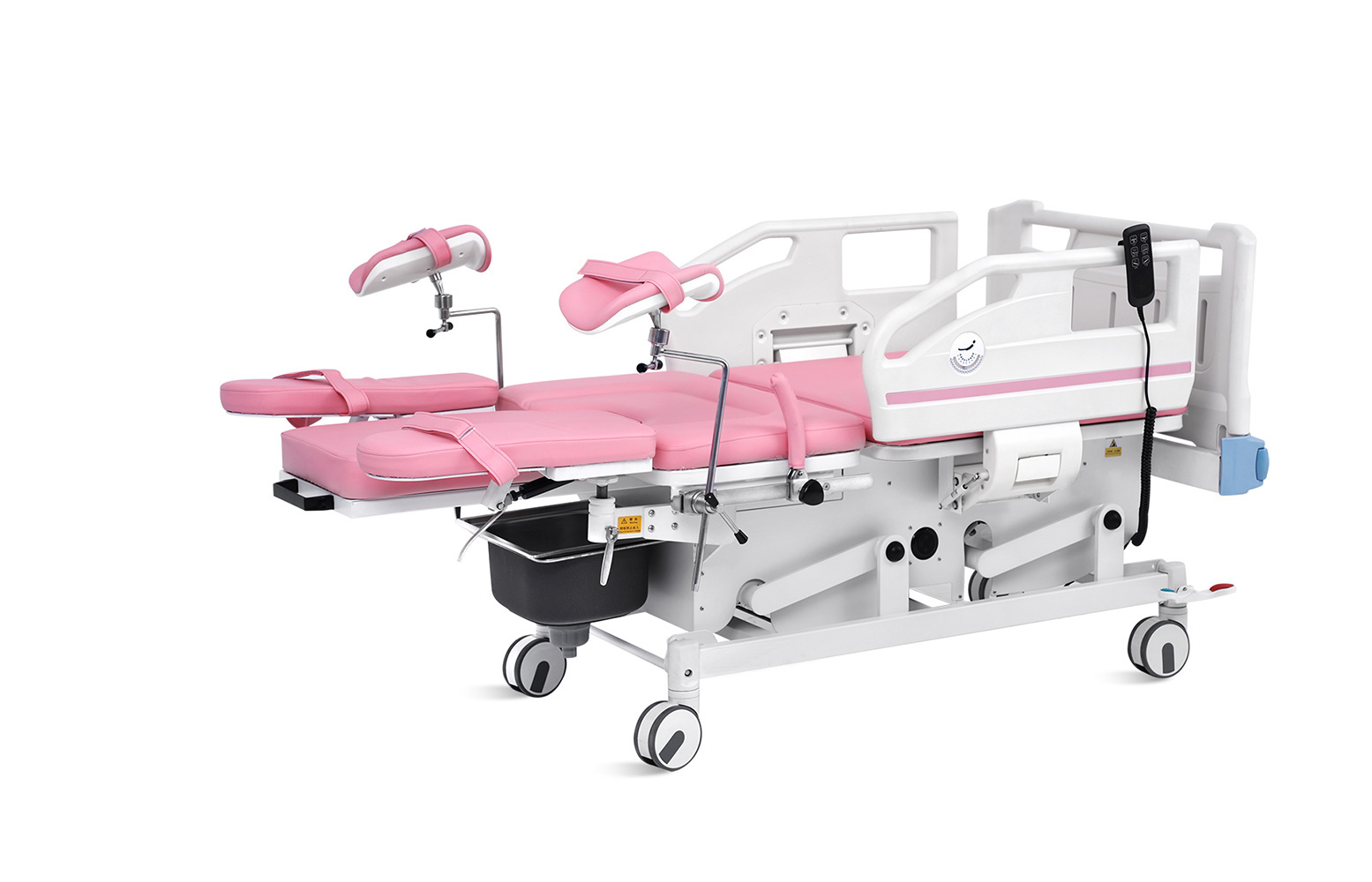
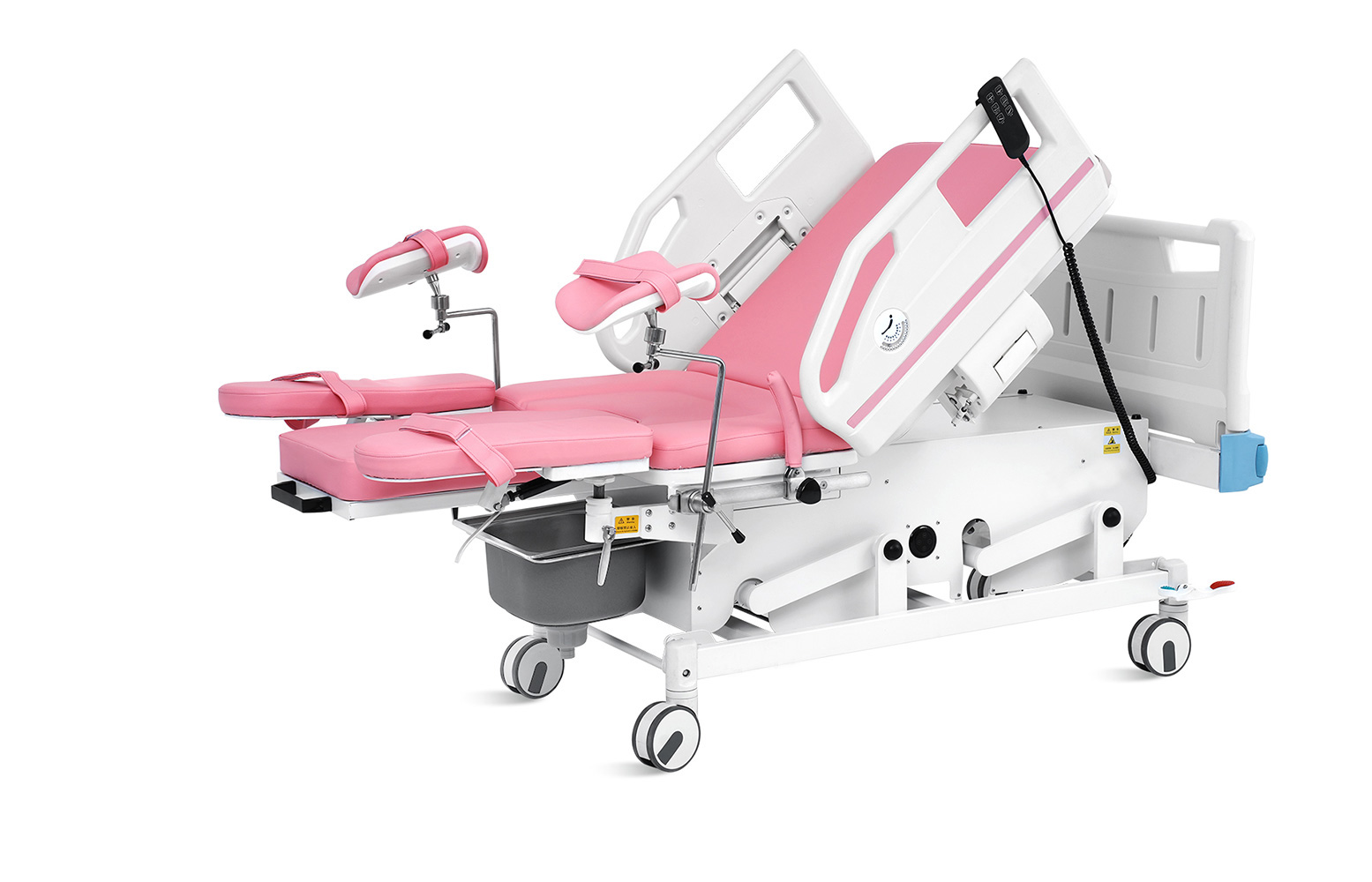
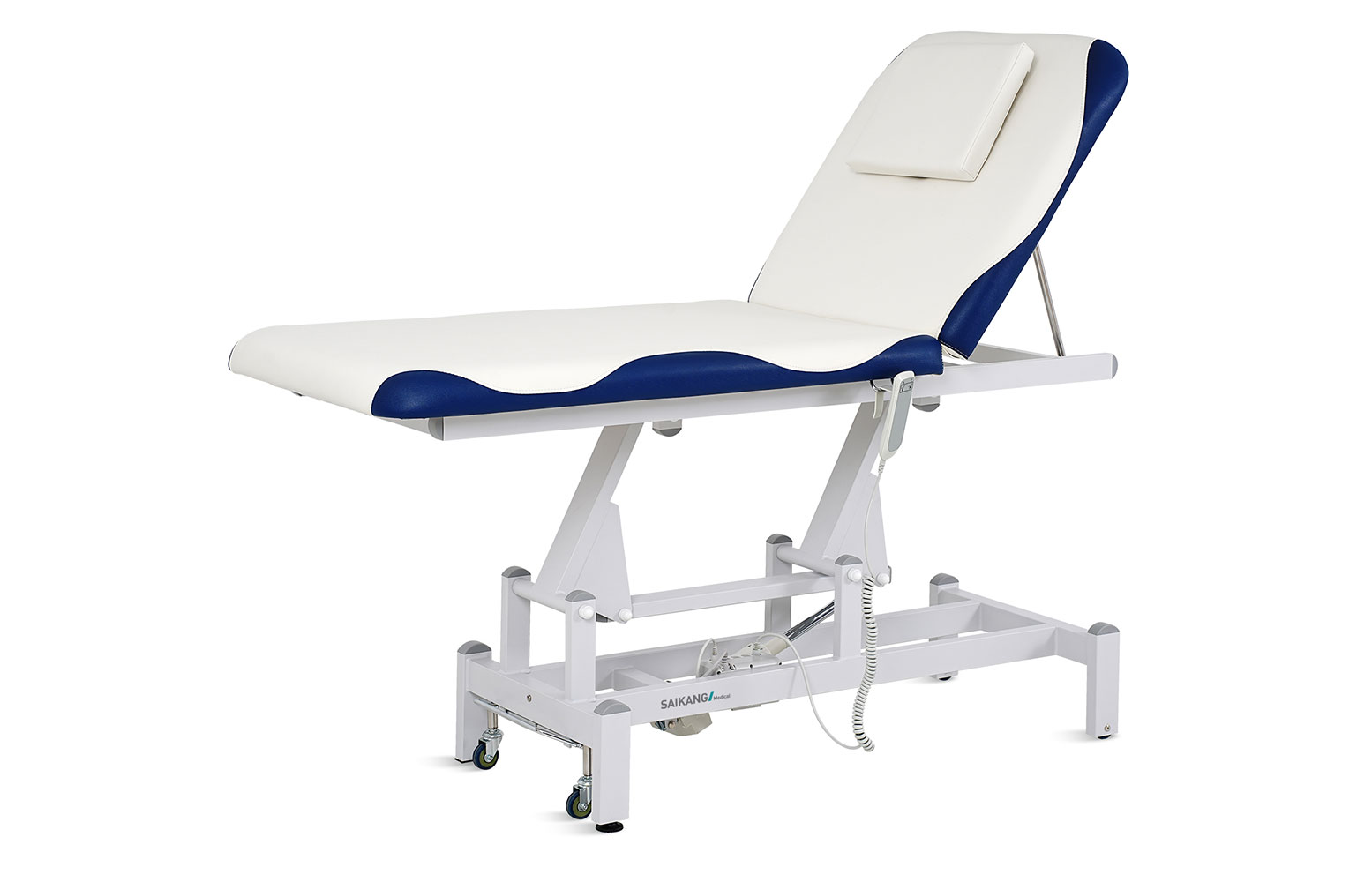
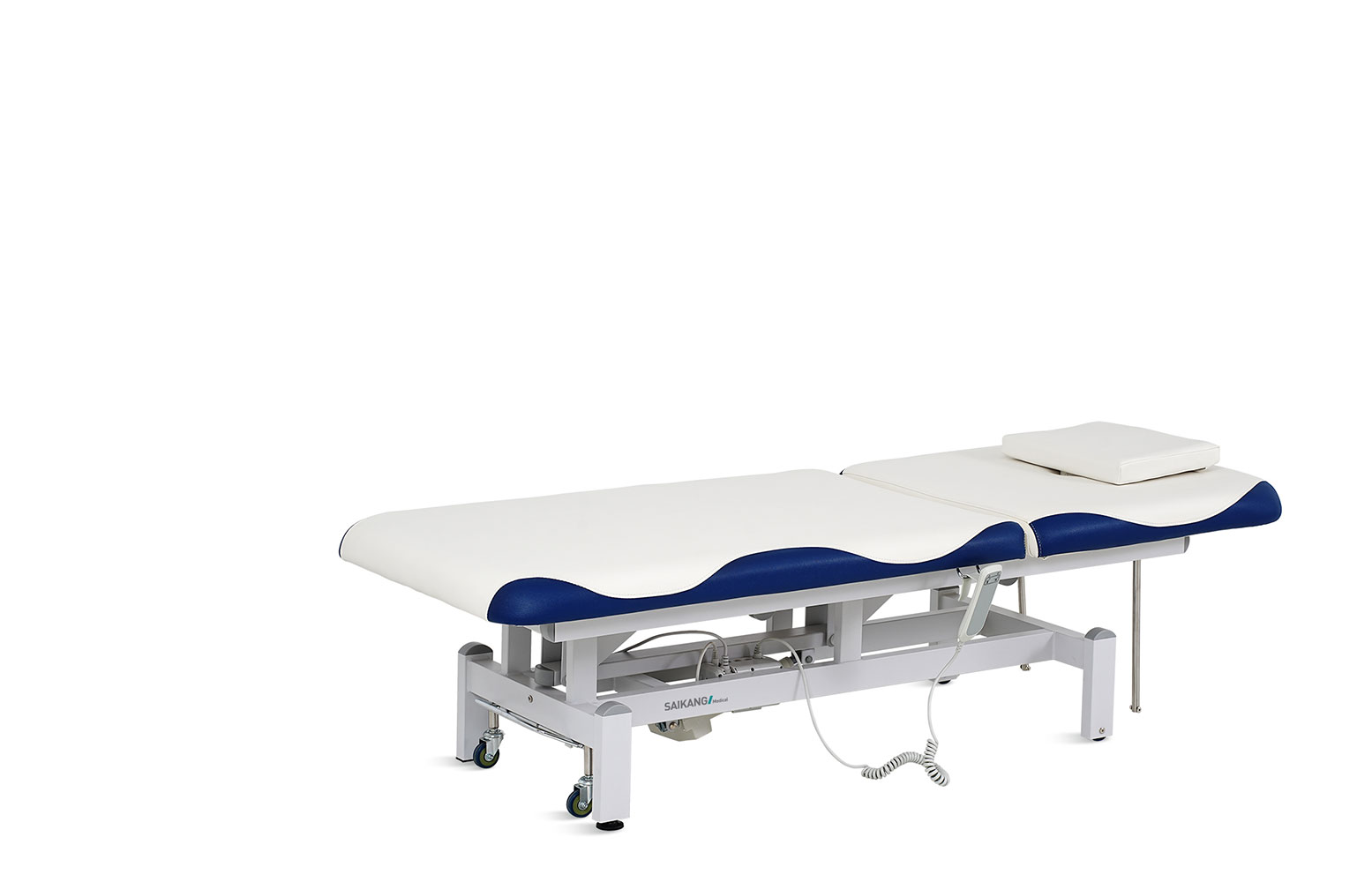
Examination and treatment tables for outpatient, diagnostic and specialized clinical procedures.
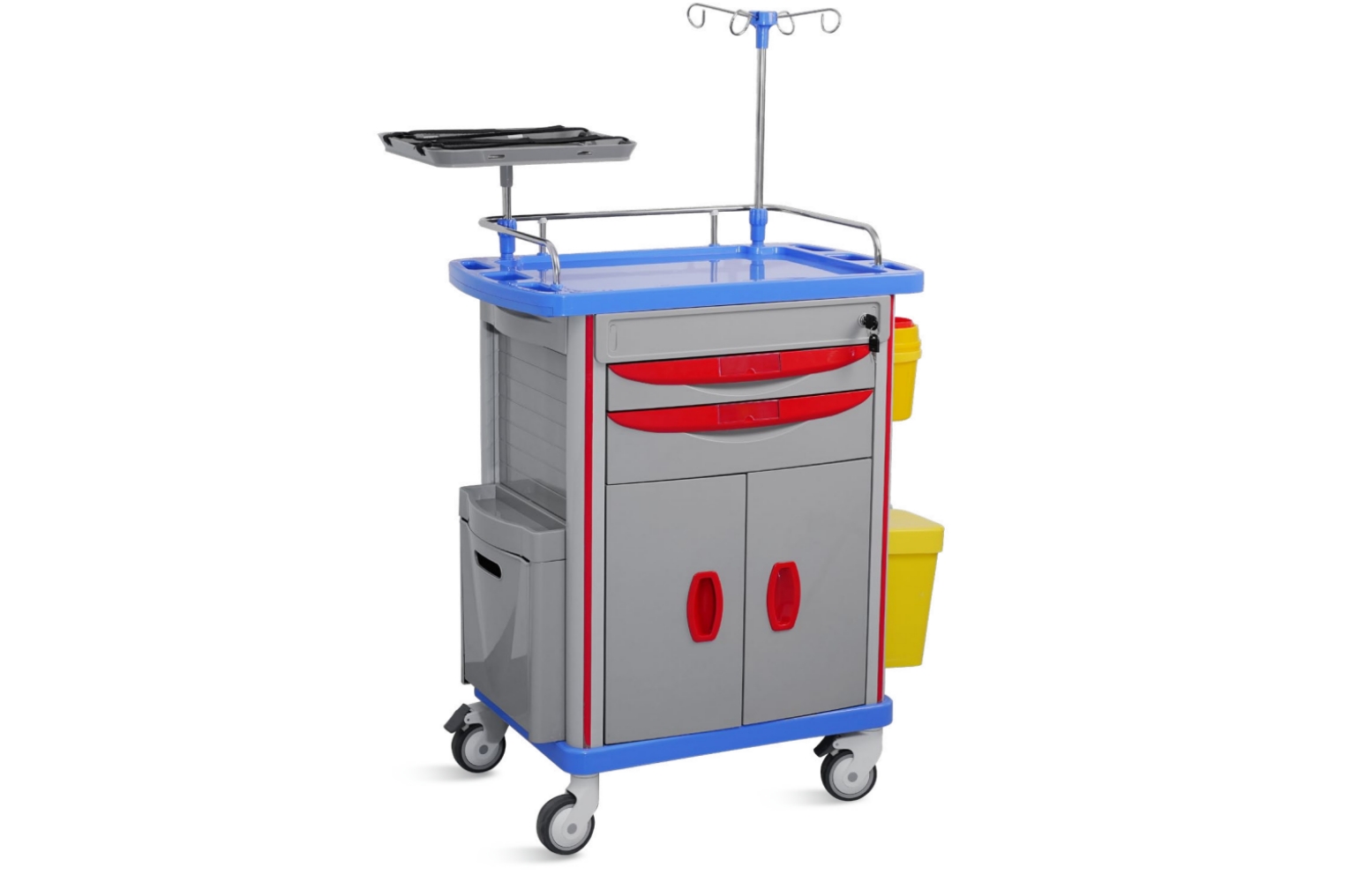
Mobile medical carts for organized storage, nursing workflows and point-of-care support.
Bedside and patient-room furniture for hospital wards, clinical spaces and care-facility environments.
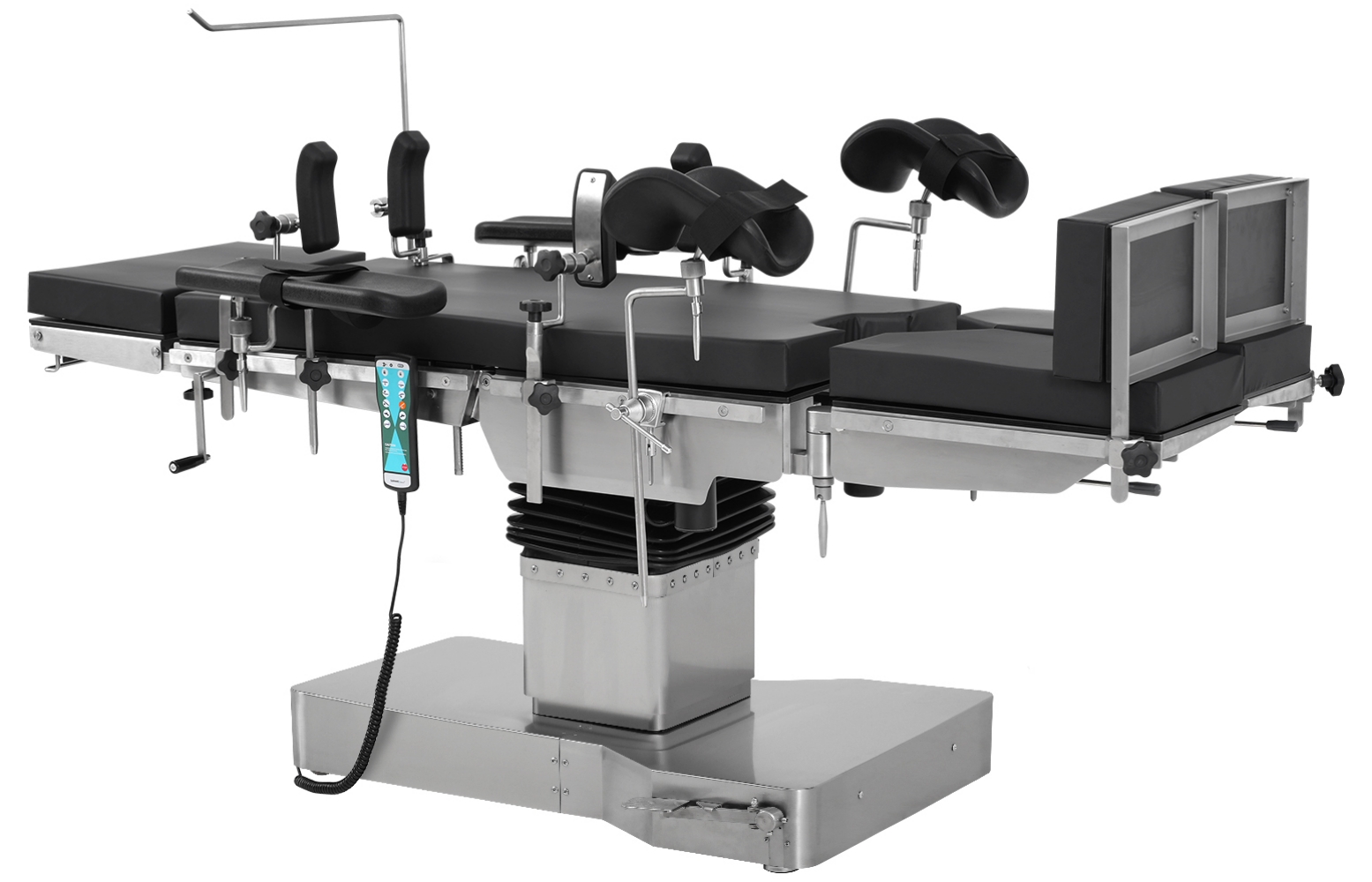
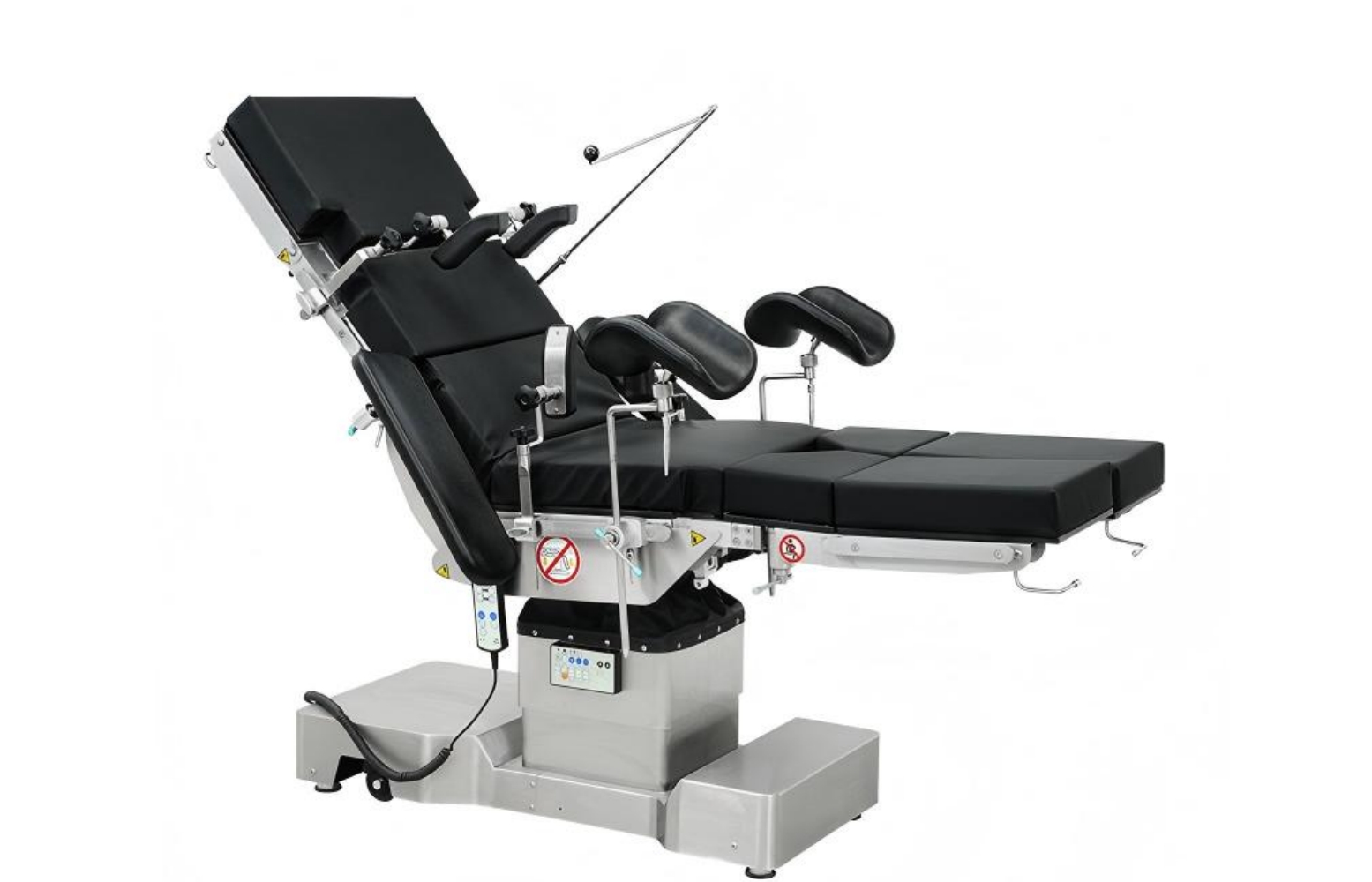
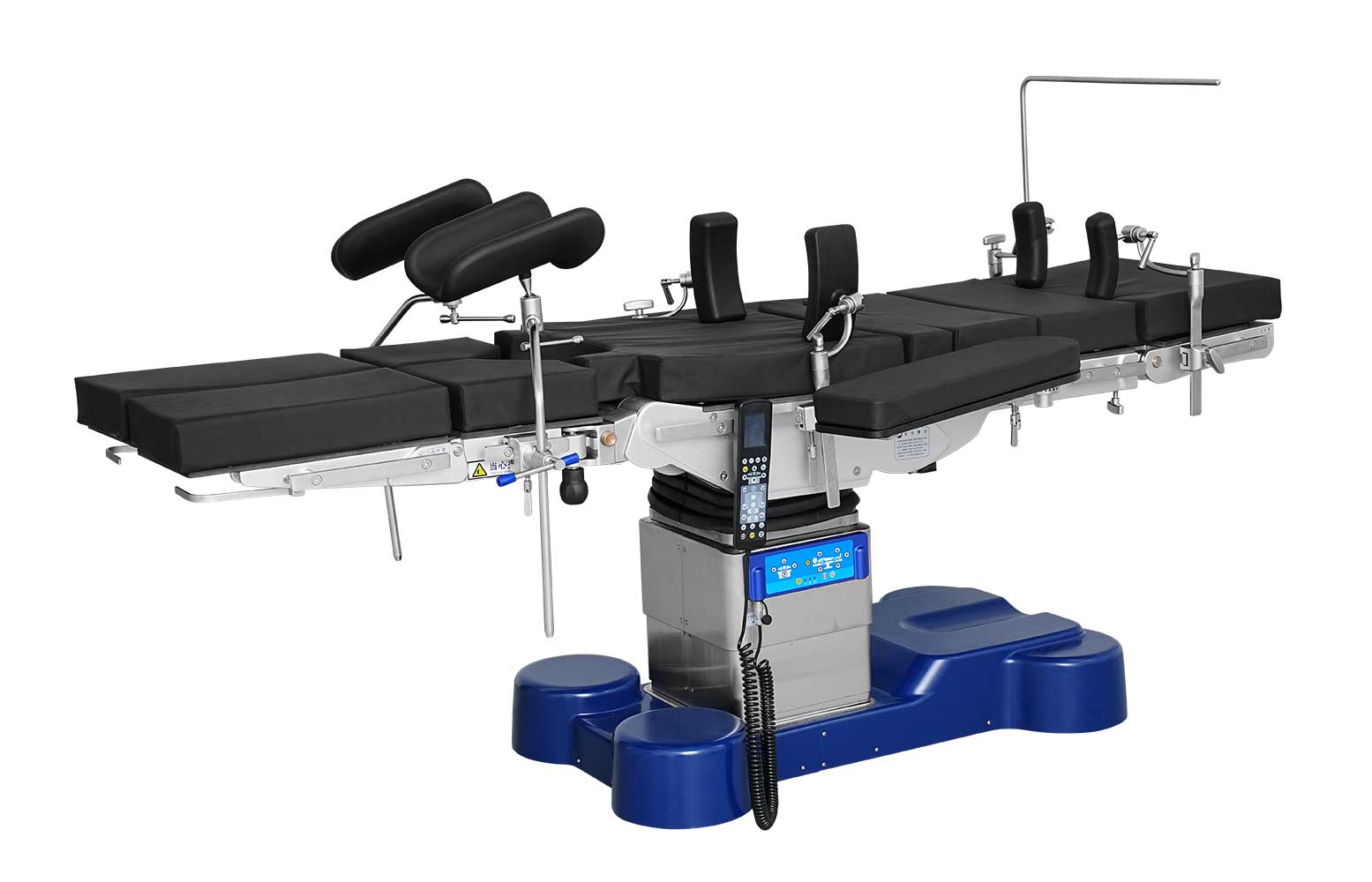
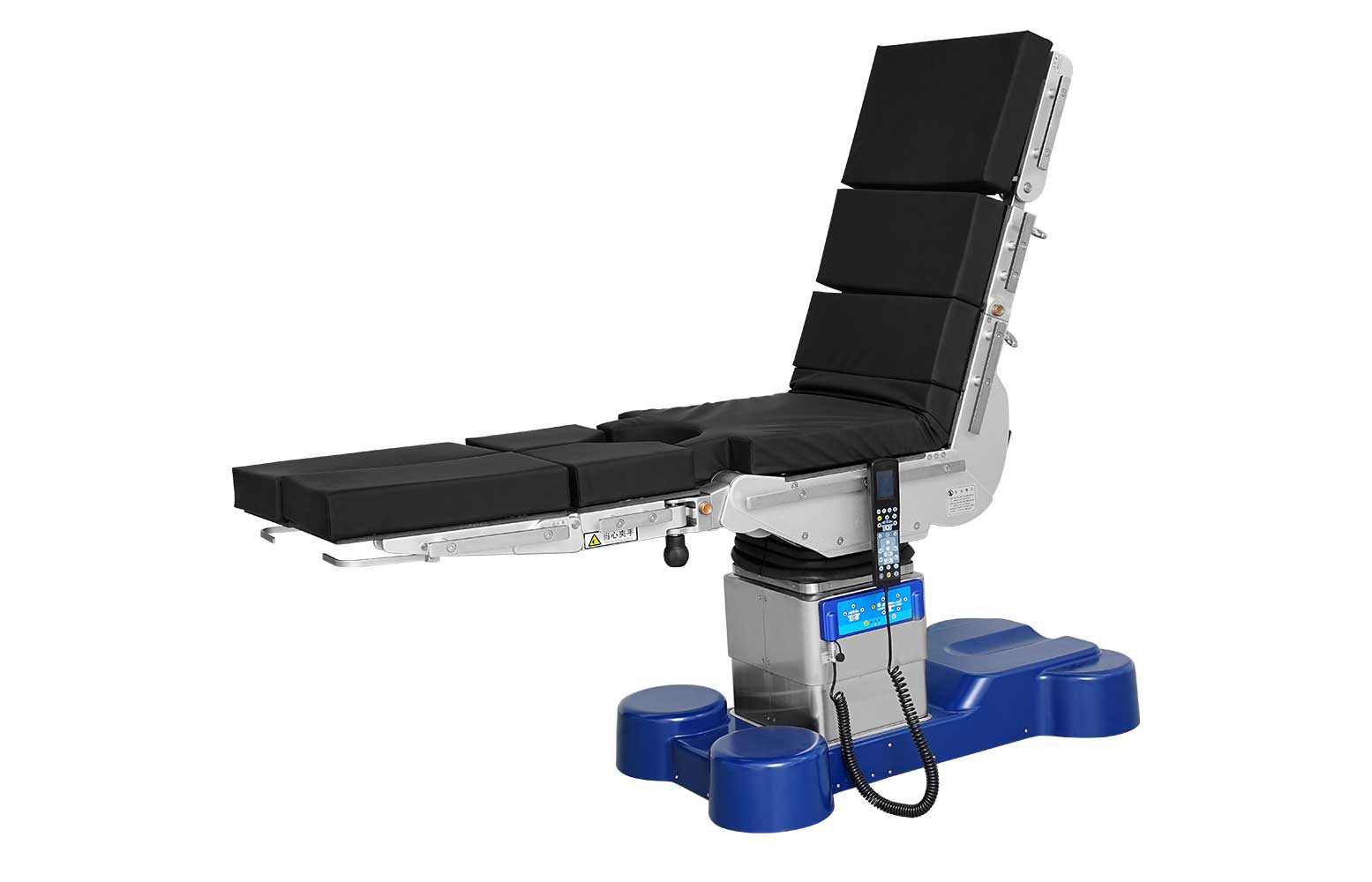
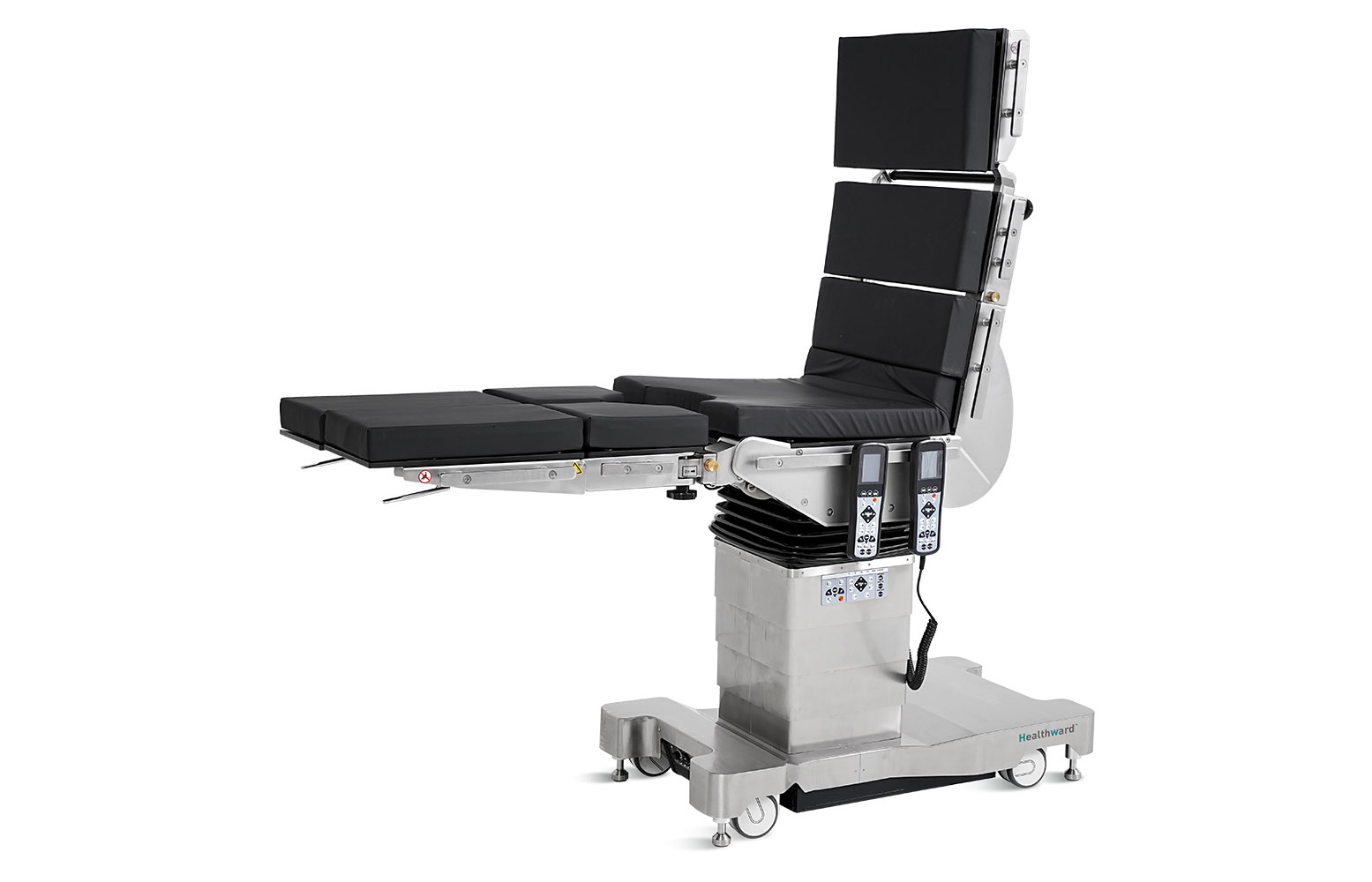
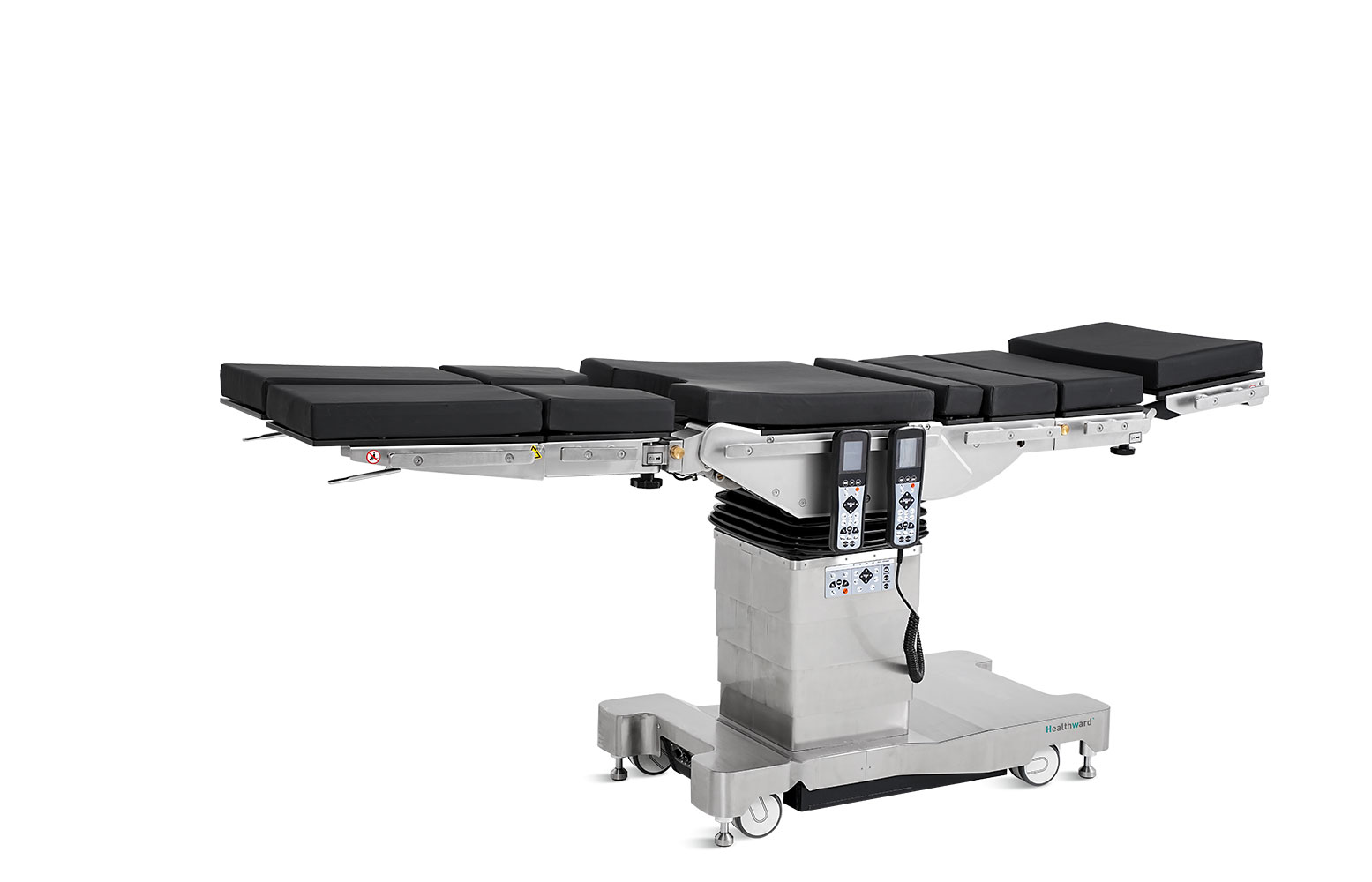
Surgical operating tables supporting patient positioning and procedural requirements in operating-room environments.
Hospital equipment procurement may involve new healthcare facilities, department expansion, ward renovation, equipment replacement or distributor sourcing. Each project requires a different combination of product functions, configurations, quantities and delivery requirements.
New facilities often require coordinated equipment planning across multiple departments, with product selection based on clinical workflows, room layouts and expected patient capacity.
Additional beds, treatment spaces or patient-care areas may require equipment that aligns with existing workflows while supporting increased capacity.
Renovation projects provide an opportunity to review equipment functions, room utilization, caregiver access and patient safety requirements.
Replacement programs should consider compatibility with existing environments, required functions, maintenance requirements and long-term equipment use.
Medical equipment distributors may need different models, configurations and supporting information according to their local market and customer requirements.
Long-term care environments often prioritize daily usability, patient comfort, caregiver accessibility, mobility and practical maintenance.
Selecting hospital equipment is not only about comparing individual product specifications. A clearer procurement process starts by defining the intended clinical application, required functions and overall project requirements.
Preparing this information before model selection can help healthcare facilities, project teams and distribution partners compare suitable equipment more efficiently.
Identify where the equipment will be used, the patient population and the main clinical workflow.
Determine positioning, adjustment, mobility, storage, safety and caregiver-access requirements.
Define estimated quantities and determine whether standardized configurations are required across multiple rooms or departments.
Provide destination country, project requirements and relevant documentation needs before quotation and final configuration.
Product specifications are important, but healthcare equipment should also be evaluated in relation to daily use, patient care, staff workflow and the expected operating environment.
Consider how healthcare staff will access, adjust, move and use the equipment during routine patient care.
Review stability, braking, load capacity, protective features and other safety-related requirements according to the intended application.
Surface materials, accessibility and equipment construction can influence routine cleaning and maintenance procedures.
Consider room dimensions, corridor movement, caster systems, braking requirements and available clinical space.
Required accessories and configurations should be defined according to department use rather than selected only by individual product preference.
Long-term procurement should also consider routine maintenance, component accessibility and expected equipment service life.
Providing clear project information helps narrow the available options and makes product comparison more efficient.
Key questions for hospitals, healthcare facilities and distribution partners planning equipment procurement.
Start with the department, clinical application, required functions, preferred configuration, accessories, expected quantity and destination country. This information helps narrow suitable equipment options.
Compare equipment according to actual department workflows, patient needs, room conditions and required functions rather than relying only on general product specifications.
Yes. New hospitals, department expansion and renovation projects commonly require different types of patient-care, transport, treatment and clinical equipment within the same project.
Standardization may simplify staff familiarity, configuration management and procurement in some projects. The appropriate approach depends on department requirements and clinical use.
Distributors should consider target customers, local market requirements, product configurations, documentation, quantities and after-sales requirements before selecting models.
Equipment planning is most effective when department requirements, room conditions and expected quantities are defined early enough to allow product comparison and configuration review.
Share your department, application, required functions, quantity and destination. Toruscare can help you compare suitable equipment options for your healthcare project.
 English English English
  Spanish
  Polish
  Portuguese
  French English English English Spanish
Polish
Portuguese
French
French English English English Spanish
Polish
Portuguese
French